-
Blog Views
2180
Flex Plus: Designing flexible work for health and disability inclusion.
In the latest article in our Patchwork Hub Employer Support series, Catherine Hale – founder of Disability Insight, researcher, consultant and creator of Flex Plus working – outlines the power of flexible working to drive accessibility in work. And she flags some key changes that employers can make today to reap the benefits of flexible working in their workplaces.
Employers play a vital role in addressing the work and health challenges of our times. This is the conclusion of recent government reviews and emerging new policies that call on businesses to create healthier, more inclusive workplaces.
We are all living and working longer than previous generations. As a result, more of us will experience long-term health conditions and disabilities that affect how we work. Yet the world of work has not kept pace with these demographic changes. In fact, work has become faster, more intense and more stressful in recent decades – especially in the UK. And both younger people at the start of their careers and older workers are experiencing declining health and barriers in work.
And the UK is fast becoming an outlier: compared with other European countries, the UK has higher rates of sickness absence and a growing number of people leaving the labour market due to ill health. Those who fall out of work due for health reasons have slight chances of returning. This not only holds back economic growth but also deepens inequalities that disabled people have faced for decades. Only 53% of disabled people are in employment compared with 82% of non-disabled people, and when they are in work, they face lower pay, fewer opportunities to progress, and lower job satisfaction.
And flexible, disability inclusive work practices make clear business sense too. Evidence suggests that those organisations who perform the best around disability inclusion have, on average, notably higher productivity, innovation, staff morale and profits, and notably lower staff turnover and sickness absences (Accenture and DOBE, 2023). Getting this right is a clear win for employers too.
The role of flexible working
So what can employers do differently to turn these trends around?
There is certainly a key role for government rules and incentives to support prevention, retention and rehabilitation, and there are some excellent proposals from the Resolution Foundation and the Commission for Healthier Working Lives in this regard. But one of the most powerful levers for change is already in the hands of most employers: flexible working.
Flexible working is the most commonly requested adjustment by disabled employees, according to occupational health research. Labour market data also shows that employees without flexible options are four times more likely to leave work if they develop a long-term health condition.
Yet research at King’s College London, with Prof Ben Geiger, Prof Kim Hoque and myself, found that many employers have not yet connected their flexible working policies with their strategies for disability inclusion and workforce health.
What is Flex Plus?
Our study explored employer perceptions and practices around a model of flexible working that grew out of lived experience research into disability and work. We call it ‘Flex Plus’.
Flex Plus brings together three forms of flexibility that disabled people often need in combination:
- Reduced hours or part-time work.
- Working from home (some or all of the time).
- Flexible worktime (the ability to vary start, finish or break times).
Evidence from my previous research with Chronic Illness Inclusion and Astriid, as well as from a major DWP survey, show that these three forms of flexibility are often what make the difference between being able to work, and being excluded from the labour market altogether for disabled people:
- The need to work fewer hours reflect the reality of fatigue, pain and time taken up by treatment or self-management of a health condition.
- The need for worktime flexibility reflects that two-thirds of disabled people live with conditions that fluctuate unpredictably - across days, weeks or even hours.
- And the need to work from home often stems from conserving energy, managing symptoms in a controlled environment, and having the autonomy to adjust your working rhythm.
Flex Plus arrangements empower many disabled people to overcome barriers in the rigidities of work practices that haven’t caught up with changing social norms and capabilities.
Yet, as our research shows, many employers designing for the “future of work” post-Covid are doing so without this insight. Without it, disabled people risk being left behind and businesses risk missing out on or holding back their disabled employees.
Of course, not every role can accommodate the full Flex Plus model - some jobs simply can’t be done remotely. But Flex Plus isn’t a rigid formula. It’s a set of principles that help employers think inclusively about flexibility.
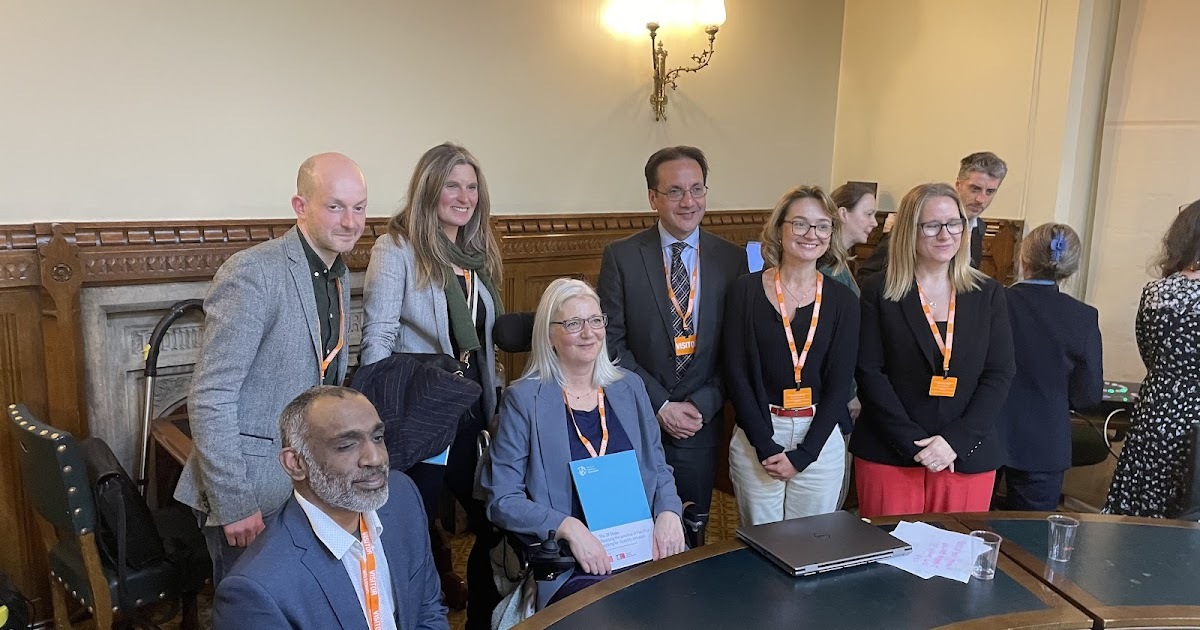
Image Description: Catherine Hale at the Flex Plus launch event, with co-authors Kim Hoque and Ben Geiger, alongside those who spoke at the event.
Quick wins for employers
Some changes will take time to embed and implement, but there are a range of actions that employers can move forward with quickly, and make swift progress.
Our report, The 39 Steps, sets out 39 recommendations for employers and policymakers to make Flex Plus a reality. Here are some key steps employers can take right away:
- Flexible working requests: Don’t fall into “inflexible flexibility”. Pre-set menus of flexible working options or automated request processes risk excluding employees who need tailored arrangements to manage health conditions.
- Return-to-office policies: Rigid hybrid rules will disadvantage disabled employees who thrive through fully remote work, and some – who may not have had to disclose their disability before now – will face exclusion under strict Return to Office mandates. Focus instead on purposeful connection and explore creative ways to include remote-first staff (see Work Foundation, Inclusive Remote and Hybrid Work study).
- Line manager training: Managers are often the gatekeepers of flexible work and inclusion. Train and support them to understand flexible working in relation to health and disability. Managers need to be equipped to build trust-based management practices, especially towards remote workers.
- Reasonable adjustments: Ensure managers know both routes to flexible working - under the Equality Act (as a reasonable adjustment) and under the Right to Request regulations.
- Recruitment: Include flexible options in every job advert and invite discussion and negotiation of flexibility within the recruitment process. Creating a psychologically safe environment for candidates to share declare a disability if they wish to will support discussions about what working patterns best support their health.
Longer-term strategies
Longer-term, the aim should be to properly embed flexible into your mainstream ways of working as an organisation. Work that could support you to progress towards this includes:
- Job analysis: Identify which roles could accommodate Flex Plus arrangements if needed.
- Job design: Build part-time, remote and Flex Plus options into new roles from the outset to reach a wider talent pool of workers.
- Disability and flexible working data tracking: Track who accesses Flex Plus arrangements. Embedding better disability reporting in your organisation will allow for monitoring of Flex Plus working in relation to engagement, retention and progression for disabled employees.
And as you push forward this work, it’s vital to listen to those in your organisation who most need Flex Plus working and engage with expert support who can help you to embed these changes in the right way.
Conclusion
Embracing the Flex Plus model of flexible working isn’t just about inclusion - it’s about designing work that’s sustainable for everyone and benefitting from the positive outcomes that this brings.
Up to one in four workers live with a health condition or disability, many of them invisible or undisclosed. The same forms of flexibility also benefit carers, older workers, and anyone balancing work with changing life circumstances. In fact, over the course of our working lives, more than half of us will experience a disability at some point.
By embedding Flex Plus principles now, employers can future-proof their organisations against rising ill health, unlock untapped talent, and build more loyal, motivated teams.
Flexible working isn’t a “perk” - it’s a cornerstone of workforce health and resilience.
It helps people stay in work when life changes. It prevents burnout, supports wellbeing, and keeps skills in the economy and your team.The opportunity is clear: design flexibility for health and disability from the start, not as an afterthought. When we listen to lived experience and make Flex Plus the norm, we don’t just create better jobs for disabled people - we create better work for everyone.

Tags
All Tags
4-day week 9 to 5 Ableism Academia Academy for Disabled Journalists Academy for Disabled SEO Specialists Access2Funding Accessibility Accessibility information Accessible education Accessible locations Accessible places Adaptive fashion Advocacy All-Party Parliamentary Group for Inclusive Entrepreneurship Allyship Alt text Amazon Amnesia Announcement Annual appraisals Annualised flexibility Annualised hours Anxiety Apple Aspiring Entrepreneurs with Disability Development Programme Assistive technology Autism Award Awareness Baroness Jane Campbell Barriers Beth Kume-Holland Beyond compliance Billy Caldwell Blog British Banking Brooke Millhouse Budgeting Bullying BUPA Burnout Business Business Disability Forum Business model creation Business skills Business workshop Businesses Cancer Candidates Cape Town Captioning Captions Careering into Motherhood Carers Caring responsibilities Cash flow Cerebral palsy Characters Charity Charity sector Chronic anxiety Chronic health conditions Chronic migraines Chronic pain Closed captions Clothes Clothing Coca-Cola Cognitive disabilities Comfort zone Communal working Communication Community networks Companies Company Company Corner Company culture Concentration problems Confidence Confucius Consultant Consultation Content creator Content designer Contract work Coping mechanisms Core hours Covid Covid-19 Createive pboelm sovling Data talent Day centres Depression Desert Island Discs Diagnosis Difference Digital and social media marketing Digital transformation Disabilities Disability Advisory Service Disability advocate Disability advocates Disability and Neurodiversity Network Disability awareness Disability Awareness Month Disability Awareness Training Disability community Disability confident Disability Confident Leader Disability employment Disability inclusion Disability law Disability news Disability Policy Centre Disability Pride Disability Startup to Watch Disability talks Disabled Disabled and Proud podcast Disabled candidates Disabled community Disabled entrepreneurs Disabled founders Disabled people Disabled People’s Direct Action Network Disabled talent Disabled team Disabled-led Disabled-led organisations Disbled Students Allowance Disclosure Diversity Diversity Project Dizziness Domestic violence Downing Street ED&I EDDP Education Education and resource platform Educational institution Emotional intelligence Employees Employer best practice Employer Support Series Employment opportunities Employment platform Empowerment Energy-limiting condition Equality Act 2010 Ethnic minorities European Union Eventbrite Evidence-based practice Exams Executive dysfunction Expert teachers Expert training Extreme tiredness Fashion Fashion industry Fathom Fatigue Feedback Finance Finances Financial goals Financial planning Financial plans Financial services Financial services sector Financial Times Flex Plus Flexibility Flexible work Flexible working hours Forbes Freelance FTSE 100 Fund management Funding GAIN Game Gaming Gareth Walkom Garment technologist Gastrointestinal conditions Gem Turner Gender Gender Networks Global Diversity Leaders Gradute Grant Logan Guide dog Harvard University Heaches Health and disability Health issues Healthcare Healthcare professionals Healthy living Healthy working lives Hearing loss Hidden talent pool Homeworking Hospice UK Compassionate Employers Programme House of Lords Houses of Parliament HR Human rights Hybrid working Ian MacKenzie Illness Inclusion Inclusive culture Inclusive workforce Inclusivity Income loss Incomplete Tetraplegia India Inspiration Intellectual capabilities Intensive care Internships Interview process Interviews Investments Investor Invisible disabilities Invisible disability Invisible illness Irwin Mitchell Isaac Harvey Isaac Harvey MBE Istituto Marangoni Jack Wills Job applicant Job descriptions Job interviews Job opportunities Job vacancies Journalism Journalists Kennedy Scholarship Labour market Learning disability Lee Ridley Leeds Leeds trinity university Legislation Let’s Talk About It LGBT Great LGBTQ+ Limb-pelvic hypoplasia LinkedIn LinkedIn influencer Listening service Liz Carr Lloyds Bank Loeys-Dietz Syndrome London London Fashion Week Long-term health condition Long-term health conditions Long-term illness Mapping days Mark Esho Maths Matt Pierri Maya angelou ME ME/CFS Medical condition Medication Meta Metaverse Metro Migrants Misconception Mobility aids Motivation MRI Multinational firm Musculoskeletal conditions National Council for the Training of Journalists National Health Service Nausea NCTJ Neurodivergence Neurodivergent Neurodiverse Neurodiversity consultant Neurodiversity space Neurotype Neurotypes Neurotypical New Delhi New York News NHS Non-disabled founders Non-profit Novos OBS Occupational health Office environment Online internship Online lecture Opportunities Organisations Oxford university Pain Palpitations Pandemic Paralysis Parents Partially sighted Partnership Pastoral support Patchworker Spotlight Patchworkers People Perception of disability Perceptions Performance reviews Personality Phase Eight Phone calls Physical disabilities Pirate video games Policy Policy expert Poverty Presentations Pride Network Primark Processes and systems Productivity Professional Women’s Network Progress Together Public speaking Pulmonary embolism Puneet Singh Singhal Race Race and Ethnicity Network Rachael Mole Radio Raising awareness Recruiters Registered blind Relationships Remote course Remote education Remote learning Remote work Removing barriers Research Residential care Residential colleges Resilience Respite Revenue streams Rights Rowena the Wonderful School Scoliosis Scope Search engine optimisation Secretary of State for Disabled People Selection process Self-care Self-employed Self-employment Senators Senior staff Sexuality Shaw trust Shaw trust power 100 list Sign language SJP Sleep Sleep problems Small Business Britain Social enterprise Social entrepreneur Social good Social impact Social mission Social mobility Social network Social-emotional learning Social-emotional learning platform Software Speaking situation Special Advisor Speech Speech differences Speech disabilities Speech impediment Spinal stroke Spotlight series Spotlight stories Ssstart St. James’s Place Charitable Foundation Staff Stammer Stammering Stoke Mandeville Stonewall Stories Story Strategy Student disability representative Stuttering Style Supportive network Sustainable change Sweaty Betty Target market Tech for good fellowship Tech industry Tech talent TechRound TEDx Temporal lobe epilepsy Tesco The Pursuits of Darleen Fyles Think tank Tinsel Girl Training Transcription UCL UK Government Underrepresentation Unhidden Unhidden Clothing United States Congress Universities University lectures University of Leicester Unlearning Ableism Vanessa Castañeda Gill Victoria Beckham Video editor Video game Vimeo Violence Virgin Virtual reality VR Walks Like a Duck Wealth management Web accessibility What If Everyone Was Disabled Wheels and Wheelchairs Women Women’s Hour Work environment Work experience Work from home Work location Working conditions Working day Working Families Group Working from home Working hours Working week Workplace Workplace adjustments Yale University Youth Zoom Abc Ability Today Access to work Accessibility in the workplace Accessibility test Accessible work Accessible working Acting Adhd Adjustments Administrative Adrian lord Advice Advocacy and campaigns Allparty parliamentary group for inclusive entrepreneurship American civil rights movement Android Anglonorman App Artificial intelligence Artificial Intelligence (AI) Bad grammar Barriers to work Bbc Benefits Blind persons act Blue badge Blue badge service specialists Care Career Carer Celia Chartres-Aris Celtic languages Center on everyday lives of families Ceo Cfs Chloe tear Chronic fatigue syndrome Chronic health condition Chronic illness Community Community story Companies house Compressed hours Coronavirus Councils Covid19 Crystal mark standard Deaf Design Dictionary Digital accessibility Disability Disability advocacy Disability and creative arts Disability discrimination act Disability employment gap Disability inclusion Disability rights movement Disability services Disabled leadership Disabled peoples direct action network Disabled persons employment act Disabled-led organisation Easy read Email address Employer Spotlight Employers Employment English English speakers Entrepreneur Entrepreneurship Epilepsy Equality Equality act Equality and diversity Equality of access Esources, disability, disability services, support services, community story, features, adjustments, social support network Esse vero eum nisi a Eugenics Facebook Feature Features Fibromyalgia First world war Flexi Flexible working Flexitime Flextime Founder Francesco cirillo Freelancing French Gcses Gdpr General data protection regulation Good Good grammar Google Government policy Government support Graduate Graduates Grammar Grammar schools Health Health condition Health conditions Hearing impairment History History of language Holistic Ico Impact Impactful Imposter syndrome Inclusive entrepreneur network Inequalities Inequality Information commissioners office Information governance Instagram Internet Jacqueline winstanley Laborum Magna moles Language Latin Law Learning difficulties Lexicographers Limited company Local councils Local government Making a difference Marketing strategy Mecfs Medical conditions Medical model of disability Medical vs social models of disability Medicines Mental health Middle english Mindfulness Mlm Mobility issues Multilevel marketing Nam eaque iure aut v National league of the blind Neurodiversity Niya Normans Not Your Grandmas Old english Old french Onboarding and retention Online Out of work Oxbridge Oxford University Parent Passwords Patchwork hub Payment details Planning Planning for work Podcasts Policy change Pomodoro Preposition Press release Private schools Psychiatric Psychiatry Punctuation React Reasonable adjustments Recruitment Remote working Resources Resources and support Rest Retinopathy of prematurity Sales Scam Search engine Second world war Shell shock Slang Sociability Social Cipher Social interactions Social media Social model of disability Social support network Socialising Spelling Spoken language Spotlight series Spotlight stories St. James’s Place Standard english Startup State schools Student Students Studying Suffragette movement Support Support services Symptoms The Disability Policy Centre The elderly Then barbara met alan Universal inclusion University Victoria Jenkins Visual impairment Ways of working Work structure Workforce recruitment Working environment Workplace barriers Young carer
